
What is Plastic Chopping Board
Plastic chopping board is a cutting tool used in cooking and is generally made of high quality PP plastic. Our cutting boards are available in a wide range of colors and in beautiful shapes, each color has a different purpose and can be adapted to different knives. Our cutting boards are easy to clean and do not easily leave stains. Most importantly, it is absolutely safe and non-toxic and can be used in direct contact with food.High quality plastic cutting board is stronger and more durable. If you take care of it, it can last up to 15 years without chips falling off. It also has the obvious advantage of being very environmentally friendly, as it reduces the use of a lot of wood and saves resources. It is hard, not easy to produce scratches and cracks, not easy to breed bacteria, and has its own antibacterial properties.
Advantages of Plastic Chopping Board
Affordability
Plastic boards are widely available and come at a budget-friendly price point, making them a practical choice for many homes.
Resistance to moisture
Plastic stands up against moisture. This means it won't absorb liquids or odors, making it an excellent choice for cutting juicy fruits and vegetables.
Sturdy And Lightweight
Plastic is structurally stronger than wood. Therefore, plastic cutting boards need not be as thick as wooden ones and are more space-efficient. This makes plastic boards easier to move around and maneuver.
Easy To Clean
Plastic cutting boards will survive the high-heat cycle on your dishwasher without warping. This makes cleaning up a breeze. You don't need to hand scrub the boards or treat them after they dry.
-

Cutting Board PE
Type:Chopping Blocks. Packaging: plastic-coating. Shape:Round, Custom Shape. Commercial Buyer:Department Stores, Super Markets, Convenience Stores, Discount Stores. Season:Everyday Add to Inquiry -
Cheap Thick Chopping Board
Type:Chopping Blocks. Packaging: plastic-coating. Shape:Round, Custom Shape. Commercial Buyer:Department Stores, Super Markets, Convenience Stores, Discount Stores. Season:Everyday Add to Inquiry -
Best Plastic Cutting Board For Meat
Type:Chopping Blocks. Packaging: plastic-coating. Shape:Round, Custom Shape. Commercial Buyer:Department Stores, Super Markets, Convenience Stores, Discount Stores. Season:Everyday Add to Inquiry -
PP Cutting Board
Type:Chopping Blocks. Packaging: plastic-coating. Shape:Round, Custom Shape. Commercial Buyer:Department Stores, Super Markets, Convenience Stores, Discount Stores. Season:Everyday Add to Inquiry -
PLASTIC Chopping Board For Meat
Type:Chopping Blocks. Packaging: plastic-coating. Shape:Round, Custom Shape. Commercial Buyer:Department Stores, Super Markets, Convenience Stores, Discount Stores. Season:Everyday Add to Inquiry -
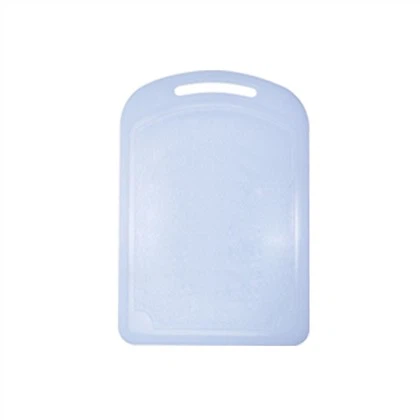
PP Cutting Board With Handle
The PP Cutting Board With Handle is one of the most common tools in the kitchen and can usually be used to cut vegetables and fruits. Add to Inquiry -
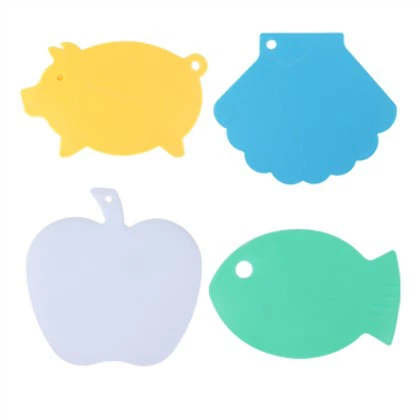
Plastic Fishon Cutting Board
The Plastic Fishon Cutting Board is a cutting tool used in cooking and is generally made of high quality PP plastic. Our cutting boards are available in a wide range of colors and in beautiful Add to Inquiry -
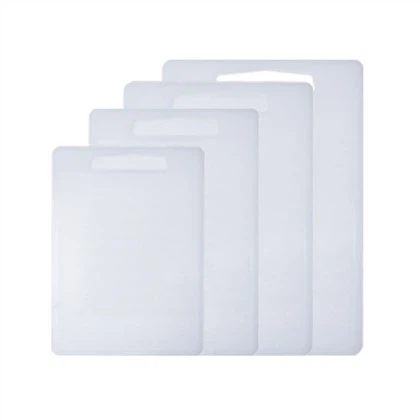
Plastic Non Slip Cutting Board Set
Type:Chopping Blocks. Packaging: plastic-coating. Shape:Round, Custom Shape. Commercial Buyer:Department Stores, Super Markets, Convenience Stores, Discount Stores. Season:Everyday Add to Inquiry -
Large Plastic Cutting Board With Groove
Everyone's life now is even inseparable from plastic products. In the kitchen cutting board is a very important existence, to do dishes are basically inseparable from the cutting board. Large Plastic Add to Inquiry -
Plastic Cutting Board Sheets
Plastic Cutting Board Sheets is odorless, corrosion-resistant, non-discoloring, non-slagging, and non-cracking. Add to Inquiry -
White Plastic Cutting Board
White Plastic Cutting Board is made of pp plastic without BPA. This material is non-absorbent, non-porous, and does not produce odors, stains or harmful bacteria. It is gentle on the knife and can Add to Inquiry -
Heat Resistant Plastic Cutting Board
The Heat Resistant Plastic Cutting Board is an essential kitchen item for cutting vegetables, meat, making pasta, etc. Plastic cutting boards are gradually replacing the wooden cutting boards of the Add to Inquiry





Why Choose Us
Our Product
Household product include plastic hanger,plastic drying rack,plastic chopping board,plastic preserving box,plastic dinner plate and so on.
Production Market
We produce “minqiao” brand household product,which command a good market both at home and abroad,particularly in Europe,Japan,Korea and Southeast Asia.
Our Factory
Quanzhou minqiao Plastic Co.,Ltd located in Xunmei Industrial Area of Quanzhou City.Our Company owns standard workshop of 20,000 square meters,which is whollyowned by Hong Kong Minqiao Trade Co.,Ltd.
Customized Services
Our company owns mold workshop, so we can design and develop new daily-used products and machining products according to customers' drawings and samples.
How to Disinfect Plastic Chopping Board
Sunlight disinfection method
The ultraviolet rays in the sun can kill bacteria. Plastic cutting boards should be exposed to the sun when they are not needed or after cleaning. This will not only kill bacteria, but also make the plastic cutting boards dry and reduce bacteria. Of reproduction.
Scalding and disinfection method
First use a wire brush and clean water to clean the surface and gaps of the plastic cutting board, and then rinse it with boiling water.
Salt-spreading disinfection method
Every time you use a plastic cutting board, you must use a knife to scrape off the external residues, and sprinkle a layer of salt on the surface of the board every 3 to 4 days, which can sterilize and avoid plastic dishes. The board is dry and cracked.
Sterilization of ginger and onion
After using the plastic cutting board for a long time, a strange smell will occur. Wipe the plastic cutting board with ginger or scallions, then rinse with boiling water and brush, the strange smell will disappear.
Vinegar disinfection method
After cutting the plastic cutting board of the fish, just wash it and sprinkle a little vinegar on the surface, let it dry in the sun, and then rinse it with water, there will be no fishy smell.
Table salt + White vinegar
First blanch the surface of the plastic chopping board with boiling water, and also pour hot water on the reverse side, then pour edible salt on the cutting board, prepare a bottle of white vinegar and pour it on the cutting board, spread them evenly with your hands, and use the cutting board for a long time. If there will be knife marks on the surface, apply it to the entire surface. In addition, apply the same evenly on the reverse side. After applying it, keep it for ten minutes and wait for it to drain. The salt and white vinegar can completely penetrate the cutting board. After wiping the steel ball, rinse it with clean water.
Table salt and white vinegar can sterilize and disinfect, and table salt has high friction and can remove surface stains. After cleaning, wipe it clean and pour some cooking oil. The penetration of cooking oil is very strong and can prevent the cutting board from cracking. The cutting board is more durable.
Ginger slices
Ginger is also an indispensable seasoning food in our home. When cooking, we always put ginger in the pot first, just to relieve the smell of the meat, and ginger also has the effect of removing odors. It can be said that it is used to clean the cutting board. Suitable!
Just wipe the cutting board with ginger, you can kill most of the bacteria.
Table salt + Baking soda
First, we put the plastic chopping board on the table, and then took out the salt and sprinkled it on the cutting board. Table salt has the effect of disinfection and sterilization, which can effectively remove bacteria on the cutting board. In addition, table salt is also friction particles, which can effectively increase friction, so that when we clean it, it will become very easy! Then, sprinkle some baking soda on the cutting board.
Baking soda is alkaline, has a strong decontamination ability, and can effectively remove dirt on our cutting boards!

Are Highly Acidic And Alkaline Ingredients Likely To Cause Damage To Plastic Chopping Board
Strong acidic and alkaline ingredients may cause damage to plastic cutting boards. As a common cooking tool in modern kitchens, its material is usually plastic materials such as polyethylene (PE) or polypropylene (PP). Although these materials have good acid and alkaline resistance, long-term contact with strongly acidic and strongly alkaline ingredients may cause some degree of damage.
First, solutions of strongly acidic and alkaline ingredients tend to be highly corrosive. Strongly acidic ingredients such as lemon juice, vinegar, citric acid, etc., and strongly alkaline ingredients such as soapy water, baking soda, etc., are strongly corrosive. These solutions may cause corrosion, discoloration, scratches and other phenomena on the surface, resulting in the appearance and quality of the cutting board affected.
Second, strongly acidic and alkaline ingredients may cause deformation. The corrosive effect of strong acid and alkali solutions will destroy the molecular structure of the plastic material, causing the cutting board to become soft and lose stiffness. If you treat the ingredients with strong acidic or alkaline ingredients for a long time, the surface of the cutting board will become bumpy and not conducive to cutting the ingredients. At the same time, the bending or deformation of the cutting board will also lead to unstable and unsafe use.
In addition, certain highly acidic and alkaline ingredients may also release harmful chemicals. Additives and dyes in plastic materials may react with acid-base substances in food ingredients to produce toxic substances. These harmful substances may seep into food and pose a potential threat to human health. Therefore, in the use of strong acidic and alkaline ingredients, we need to be particularly careful to avoid adverse effects on human health.
Why Use Plastic Chopping Board
First of all, it has good wear resistance. Compared with other types of cutting board such as wood or glass cutting board, more durable, not easy to break or deformation. They can withstand strict conditions of use, such as cutting hard ingredients or frequently cutting with a knife, without too much damage. Therefore, the service life of the cutting board can be extended, and the cost can be saved for the user.
Secondly, it is easy to clean and has good hygiene. The surface is relatively smooth, and it is not easy to absorb food debris and bacteria. Compared with wood cutting board, it is easier to clean, just use water and detergent to clean it. Wood cutting boards, on the other hand, may absorb water and food debris, which can easily foster bacteria. Therefore, it can reduce the contamination of bacteria in food and improve food safety.
Third, it is relatively light and easy to carry. They are usually lighter and easier to carry than wooden cutting boards. This is very convenient for people who have a small family living space, or who need to carry a chopping board out frequently. It is also lighter than glass cutting boards and less prone to accidental falls. Therefore, it is also popular in outdoor picnics, camping and other occasions.
In addition, it also has many other features, such as bright colors and affordable prices. It can be made in a variety of different colors and can be chosen according to personal preference. In addition, the price is relatively low, and ordinary families can also easily buy. This makes plastic cutting boards an affordable option.
It is worth noting that there are some caveats. First, there may be scratches when in contact with the knife, which can become a place for bacteria to grow. Therefore, when using, you should try to choose better quality products and replace the cutting board regularly to ensure hygiene. Second, it is not resistant to high temperatures and is not suitable for placing directly on a hot pan or for use as a baking tool. Finally, there may be aging, deformation and other situations after long-term use, and it should be replaced in time.

precautions for product use
01/
Dry storage: Make sure it is completely dry before use. Excess water can lead to the growth of bacteria and mold. In addition, the wet environment will have a corrosive effect on the plastic, reducing the service life of the cutting board. Therefore, before storing, let dry and make sure that there is no residual moisture on both the surface and edges.
02/
Room temperature storage: Store in a dry and room temperature environment. Avoid exposing it to direct sunlight, as prolonged exposure can cause discoloration and deformation of the plastic. Choose a storage location away from direct sunlight to ensure that the quality and appearance of the cutting board are not compromised.
03/
Upright storage: Storing in the upright position can save space and avoid scratching and damage to its surface. You can use a specially designed cutting board holder or make your own simple shelf to hold the cutting board. Make sure the shelf is secure and does not cause the plastic cutting board to tip over or slide.
04/
Isolated storage: Avoid storing with other items that may have odors or pathogens, especially containers used to store raw meat or seafood. These items may give off odors or contaminants, creating cross-contamination. To keep your cutting board hygienic, choose a separate and clean storage area.
05/
Regular cleaning: Before storage, be sure to clean carefully. Use warm water and a neutral detergent to thoroughly clean the surface and edges of the cutting board. Do not use detergents containing strong acids or alkalis to avoid damage. Allow to dry after cleaning and ensure no water marks. Regular cleaning removes food residues and bacteria and maintains its hygiene and quality.
06/
Regular inspection: Regular inspection of wear and aging. If you find serious scratches, cracks or deformation, please replace it in time. These damages can affect your use of the cutting board and threaten your food safety. Regular checkups can help you spot and resolve these issues in a timely manner.
Is The Injection Molding Process Typically Used When Manufacturing Plastic Chopping Board
Plastic chopping board is a common kitchen utensil in the current market, which is widely used in domestic and commercial kitchens because of its light weight, sturdy structure and easy cleaning. In the manufacturing process, injection molding process is a common manufacturing method.
The injection molding process is a process method in which plastic is heated and melted and injected into a mold, cooled and cured, and then removed and molded. It is an efficient, reproducible, and relatively low-cost manufacturing process for mass production. There are several advantages in manufacturing:
First, mass production can be realized. The injection molding machine has a certain production capacity and can process several chopping boards at the same time. This can significantly improve production efficiency and meet market demand.
Secondly, the complex structure of deformed flap chopping boards can be realized. Some plastic chopping boards have special shapes, designs and details, such as knife placement slots, chopping board edge teeth, etc., and these special designs require high precision of the mold. The shape and details of the chopping board can be ensured by optimizing the mold design injection process, which makes the chopping board structure more robust and practical.
Combinations of different materials can also be realized. For example, the manufacturing of chopping boards can use ABS plastic to make a sturdy shell, and then use PE plastic to make the cutting surface of the chopping board, in order to improve the durability of the chopping board and the cutting performance of the knives. The injection molding process can easily achieve the manufacturing requirements for this composite structure.
In addition, rapid production and customization of chopping boards can be achieved. Usually available in the market in a wide range of sizes and colors, they can be personalized according to user needs. The injection molding process can easily change the mold design according to the customer's needs, and the manufacturing of different sizes and colors of chopping boards can be achieved by adjusting the parameters of the injection molding process. This customized production method can better meet the needs of different users.

What Are the Raw Materials of Plastic Chopping Board
The most commonly used types of plastics in making plastic chopping boards are polyethylene and polypropylene. These materials are chosen for their high resistance to chemicals, water, and wear and tear. They are also easy to clean and do not absorb moisture or odors.
Polyethylene is a thermoplastic polymer that is lightweight, durable, and flexible. It is often used in making low-density polyethylene (LDPE) and high-density polyethylene (HDPE) chopping boards. LDPE is ideal for making soft, flexible, and translucent boards, while HDPE is preferred for its stiffness, hardness, and ability to withstand high temperatures.
Polypropylene, on the other hand, is a thermoplastic polymer that is tough, rigid, and resistant to heat and chemicals. It is commonly used in making boards that are more rigid and dense than those made from polyethylene. Polypropylene boards are also more durable and resistant to gouging and cutting.
Aside from polyethylene and polypropylene, another type of plastic that is used in making chopping boards is polycarbonate. This material is known for its high strength, toughness, and resistance to impact. It is often used in making color-coded chopping boards, which are used to prevent cross-contamination in commercial kitchens.
Various additives are also added to plastic chopping board materials to enhance their properties. For instance, some manufacturers may add UV stabilizers to protect the board from the harmful effects of sunlight. Antimicrobial agents may also be added to prevent the growth of bacteria and other microorganisms that can cause foodborne illnesses.
In conclusion, plastic chopping boards are made of different types of plastics, including polyethylene, polypropylene, and polycarbonate. These materials are selected for their properties, such as resistance to chemicals, water, and wear and tear. Additives and other materials may also be added to enhance the board's properties, such as UV-stabilizers and antimicrobial agents.
FAQ
We're well-known as one of the leading plastic chopping board manufacturers and suppliers in China. If you're going to buy or wholesale high quality plastic chopping board at competitive price, welcome to get more information from our factory.
rounded square plates, banana split plastic plates, plastic swivel hangers